Scientific Conference "Innovative solutions in speech therapy diagnosis - application of the INIA system to assess sound articulation", Tarnów, November 25, 2025
DOI:
https://doi.org/10.55225/sti.758Keywords:
Speech therapy diagnosis, INIA system, articulation analysis, speech acoustic parameters, articulation disorders, experimental phonetics, objective diagnostic techniques, non-invasive speech analysis, acoustic beam shaping, microphone arrays, electromagnetic articulation (EMA), conference, abstractAbstract
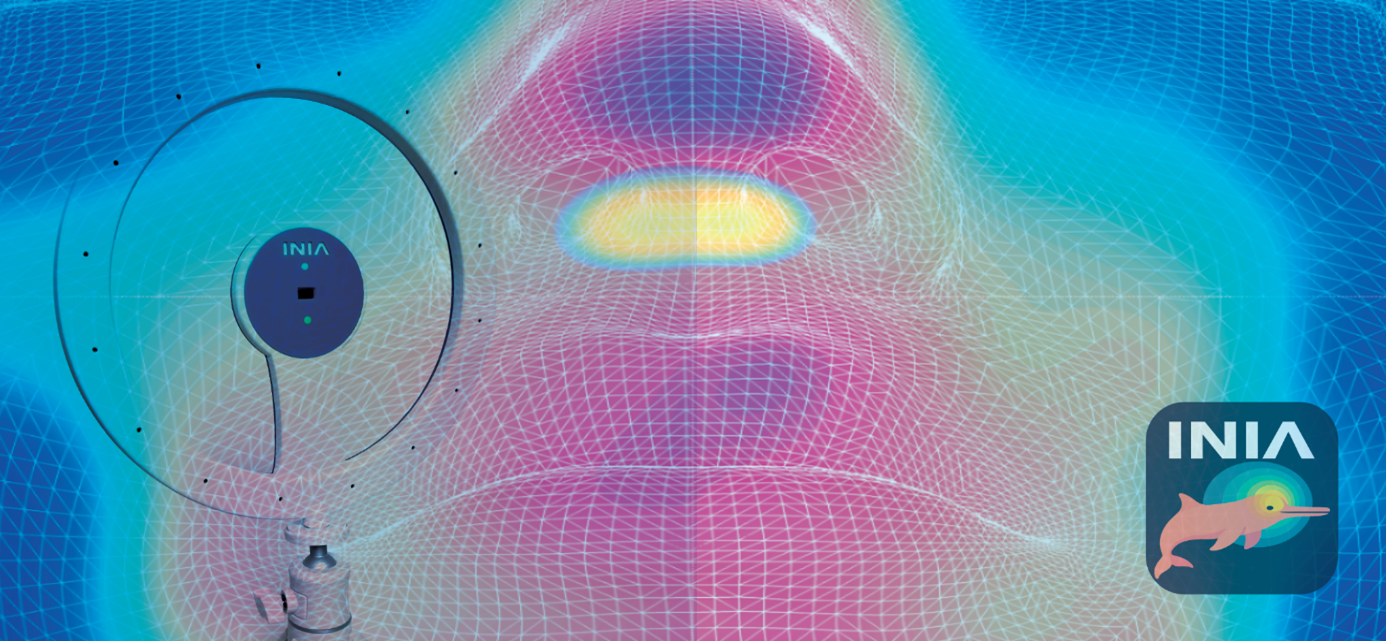
This article is a conference report containing abstracts of presentations presented during the conference Innovative Solutions in Speech Therapy Diagnosis – Application of the INIA System to Assess Articulation, which took place on November 25, 2025, in the Jan Szczepanik Auditorium at Tarnów University. It reflects the meeting of scientific and practical communities representing speech therapy, pedagogy, linguistics, computer science, and engineering and technical sciences, whose common goal remains the development of modern, objective methods of speech diagnosis. The collected abstracts document the main threads of discussion during the conference, demonstrating both the current state of research and the practical possibilities of applying new technologies in the diagnosis of articulation disorders.
Downloads
References
Grabias S. Język w zachowaniach społecznych. Lublin: Wydawnictwo Uniwersytetu Marii Curie-Skłodowskiej; 1997. Google Scholar
Moss ML. The primacy of functional matrices in orofacial growth. Dental Practitioner and Dental Record. 1968;19(2):65–73. Google Scholar
Proffit WR. Equilibrium theory revisited: Factors influencing position of the teeth. Angle Orthodontics. 1978;48(3):175–185. https:// 10.1043/0003-3219(1978)048<0175:ETRFIP>2.0.CO;2. Google Scholar
Proffit WR, Fields HW Jr, Sarver DM. Ortodoncja współczesna. T. 1. Red. wyd. polskiego A. Komorowska. Wrocław: Edra Urban & Partner; 2021. Google Scholar
Engelke W, Jung K, Knösel M. Intra-oral compartment pressures: A biofunctional model and experimental measurements under different conditions of posture. Clinical Oral Investigations. 2011;15(2);165–176. https://doi.org/ 10.1007/s00784-009-0367-0. DOI: https://doi.org/10.1007/s00784-009-0367-0 Google Scholar
Rogers J, Revesz A. Experimental and quasi-experimental designs. W: McKinley J, Heath R, editors. The Routledge handbook of research methods in applied linguistics. New York: Routledge; 2020. s. 133–143. DOI: https://doi.org/10.4324/9780367824471-12 Google Scholar
Lorenc A. Kryteria diagnostyczne normy wymawianiowej. W: Kamińska B, Milewski S, redakcja. Logopedia artystyczna. Gdańsk: Harmonia Universalis; 2016. s. 168–193. Google Scholar
ICD-10. International statistical classification of diseases and related health problems. 10th revision. 2019 [cytowane 20 listopada 2025]. Dostępne na: https://icd.who.int/browse10/2019/en Google Scholar
Lorenc A, Borowiec A. Normative tongue resting position: A preliminary study with the use of EMA and CBCT technology. Prace Językoznawcze. 2024;26(4):69–92. https://doi.org/10.31648/pj.10588. DOI: https://doi.org/10.31648/pj.10588 Google Scholar
Lorenc A, Król D, Klessa K, Mik Ł, Borowiec A. Developing acoustic field distribution analysis tools for noninvasive assessment of laterality and nasality in disordered and typical pronunciation. Clinical Linguistics and Phonetics. 2025;40(4):320–333. https://doi.org/10.1080/02699206.2025.2550419. DOI: https://doi.org/10.1080/02699206.2025.2550419 Google Scholar
Borowiec A. Kinestetyczne mechanizmy wytwarzania mowy. Zależności czynnościowo-morfologiczne. [Niepublikowana rozprawa doktorska]. Warszawa: Instytut Filozofii i Socjologii Polskiej Akademii Nauk; 2018. Google Scholar
Downloads
Published
How to Cite
Issue
Section
License
Copyright (c) 2026 Robert Wielgat

This work is licensed under a Creative Commons Attribution-ShareAlike 4.0 International License.